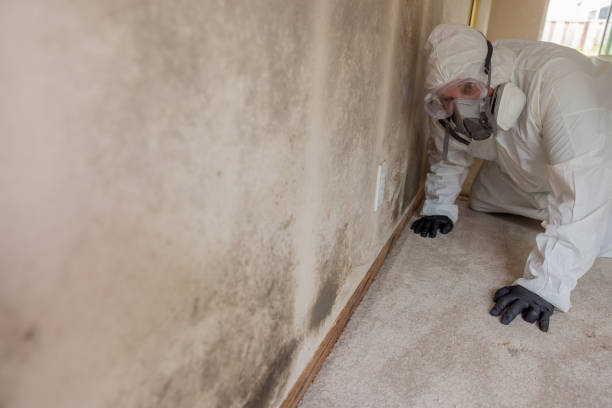
Mold is the silent intruder. It hides in crawlspaces, behind shower tiles, and in attics, slowly degrading your air quality and your home's structure. We are the Birmingham, MI authority on professional mold removal. We don't rely on guesswork; we use science-backed protocols for mold inspection and remediation to find the source, contain the spread, and physically remove the growth.
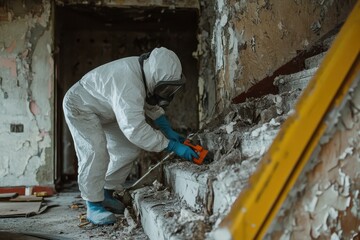
True remediation is about containment and removal, not just killing. Dead mold spores are still allergenic. Our process includes:
In Birmingham, MI, attics and basements are prime breeding grounds due to condensation and poor ventilation. We specialize in black mold remediation. We address the underlying moisture issue—whether it is a roof leak or lack of airflow—because without fixing the water problem, the mold will always return.
How do you know the mold is gone? We offer post-remediation clearance verification. We can coordinate with third-party hygienists to take air samples, verifying that the spore count in your home has returned to normal, healthy levels. This documentation is crucial for real estate transactions and insurance claims.
Your home should be a safe haven, not a health hazard. Let our certified technicians eliminate the mold and restore fresh, clean air to your property.
Schedule your inspection today: 18337831270
"We found mold behind our washing machine. They came in, sealed off the laundry room, and removed it all safely. Very professional."
"I was buying a house and the inspector found mold in the attic. This team gave me a fair quote and fixed it so we could close on time."
"No more musty smell in the basement! They scrubbed the joists and HEPA vacuumed everything. Highly recommend."
The area comprising what is now the city of Birmingham was part of land ceded by Native American tribes to the United States government by the 1807 Treaty of Detroit. However, settlement was delayed, first by the War of 1812. Afterward the Surveyor-General of the United States, Edward Tiffin, made an unfavorable report regarding the placement of Military Bounty Lands for veterans of the War of 1812. Tiffin's report claimed that, because of marsh, in this area "There would not be an acre out of a hundred, if there would be one out of a thousand that would, in any case, admit cultivation." In 1818, Territorial Governor Lewis Cass led a group of men along the Indian Trail. The governor's party discovered that the swamp was not as extensive as Tiffin had supposed. Not long after Cass issued a more encouraging report about the land, interest quickened as to its suitability for settlement.
Zip Codes in Birmingham, MI that we also serve: 48009 48012